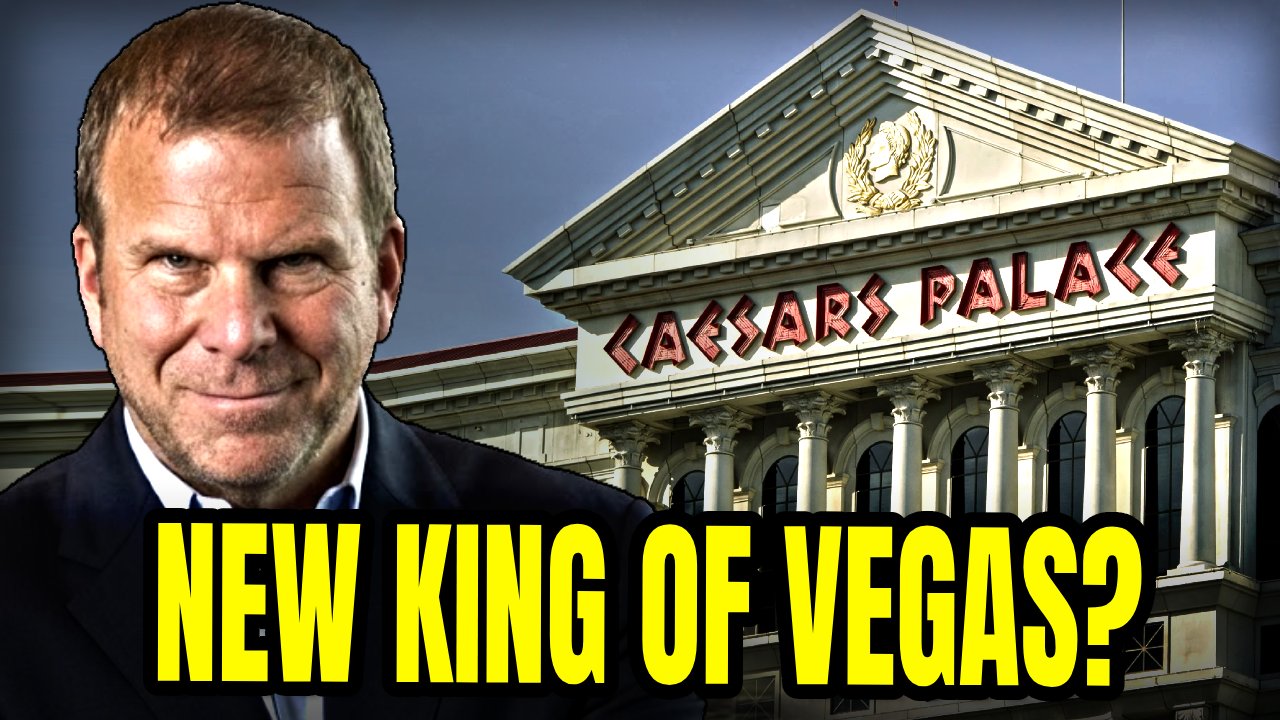
Steve Wynn changed the Las Vegas resort business by making the property itself the attraction. The Mirage opened in 1989 with a volcano, a tropical atrium, white tigers and Siegfried and Roy. Visitors could arrive for the spectacle, then spend money inside the resort. The idea spread across the Strip and helped move Las Vegas toward luxury hotels, restaurants, entertainment and other revenue beyond the casino floor.
Wynn eventually sold the company that owned The Mirage, Treasure Island and Bellagio to MGM Grand. The deal was $4.4 billion in cash, and MGM assumed roughly $2 billion in Mirage debt. He then returned with Wynn Resorts, built Wynn Las Vegas and Encore, and created another luxury group. His business career ended after allegations of sexual misconduct led to his resignation, the sale of his stake and a 2023 settlement that ended his active ties to Nevada gaming.
The resort became the attraction
Wynn was born on January 27, 1942, in New Haven, Connecticut. By the mid-1980s, he controlled the Golden Nugget downtown and had made it the most profitable casino in Nevada. The Strip presented a larger opportunity, even as older casinos faced competition from Atlantic City and an aging image.
The Mirage opened on November 22, 1989. Its $630 million cost made it the most expensive hotel ever built at that time, and the project used junk bonds, the high-yield debt Michael Milken had made famous. To break even, the resort needed to earn $1 million each day. Wynn filled the property with attractions that could draw people who had no immediate plan to gamble. It was also the first casino to use security cameras full-time on all table games.
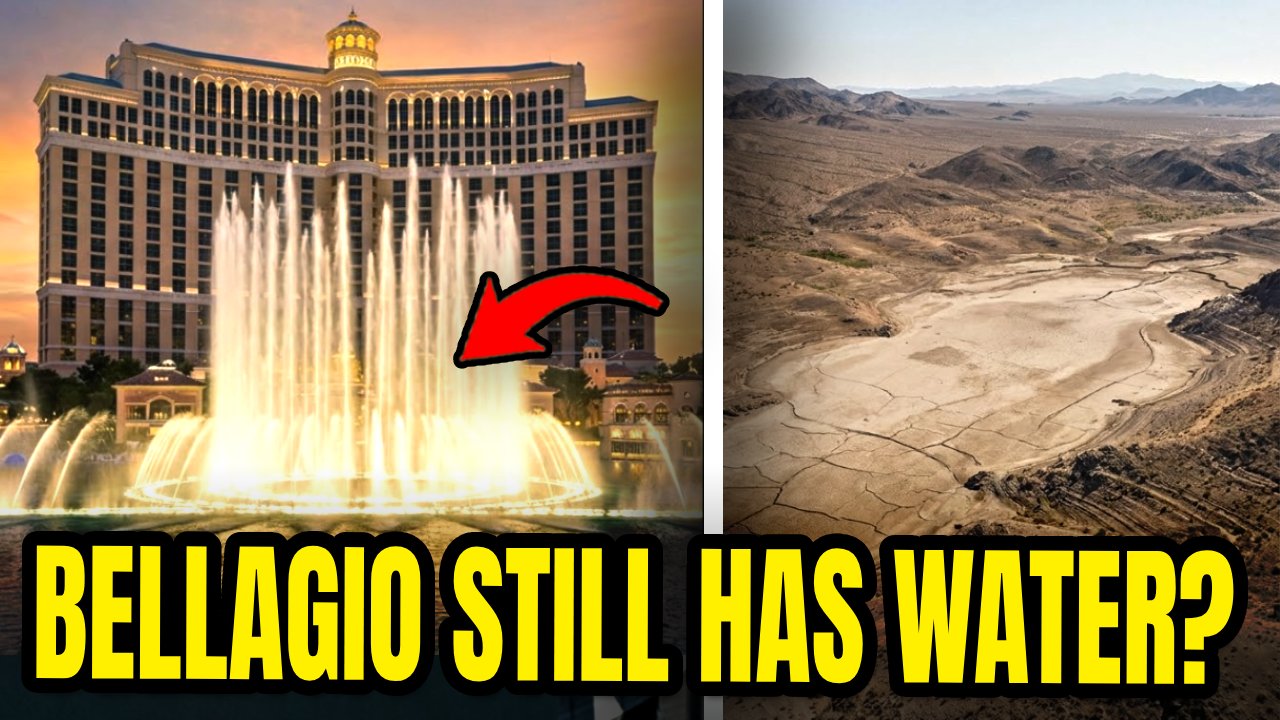
Treasure Island followed in 1993, beside The Mirage. Its pirate theme included a full-scale ship battle outside the resort, free to watch from the street. Bellagio opened on October 15, 1998, with a gallery with works by Picasso, Monet and Van Gogh, restaurants led by celebrated chefs, and fountains choreographed to music. Wynn built both at once, one for crowds on the street and one for luxury spenders.
The sale that strengthened MGM
In 2000, Wynn sold Mirage Resorts to MGM Grand. The transaction included The Mirage, Treasure Island, Bellagio and the operating approach Wynn had developed over 20 years. MGM also gained the model Wynn had used: large resorts built around design, entertainment and high-end spending.
Kirk Kerkorian, the billionaire aviation mogul behind MGM Grand, had been building a large property portfolio. After the sale, the combined MGM Mirage became one of the most powerful casino companies on the Strip. Its holdings later included Bellagio, The Mirage, Mandalay Bay and other resorts.
The sale gave Wynn a large exit, but it also placed his most visible work inside the company that would become his strongest corporate rival. In 2009, he said he would be interested in buying Bellagio back if MGM ever had to sell assets. In 2024, MGM chief executive Bill Hornbuckle said the company owned "enough" of Las Vegas when explaining the decision to sell The Mirage.
A second luxury empire
Wynn Resorts went public in 2002. Wynn bought the old Desert Inn site, removed the resort and opened Wynn Las Vegas there on April 28, 2005. The $2.7 billion property was the most expensive hotel built in the United States at that time.
Wynn Macau opened in 2006, taking the company beyond Nevada. Encore, a sister resort connected to Wynn Las Vegas, opened in 2008 during a severe Las Vegas downturn. Visitor numbers and Strip revenues had fallen, yet Wynn continued with a high-end project.
MGM pursued scale through a large portfolio of properties. Wynn emphasized personal control, design and a smaller number of luxury resorts. Wynn's approach produced higher room rates and revenue per guest.
The collapse of personal control
On January 26, 2018, The Wall Street Journal published a report in which dozens of people described allegations of sexual misconduct by Wynn over several decades. Wynn resigned as chairman and chief executive of Wynn Resorts on February 6, 2018.
Wynn sold his stake across multiple transactions later in 2018 for approximately $2.1 billion. Nevada regulators fined Wynn Resorts $20 million in February 2019 for failures connected to the allegations. On April 30, 2019, the Massachusetts Gaming Commission fined the company $35 million and fined chief executive Matthew Maddox $500,000, while allowing Wynn Resorts to keep its gaming license. The commission said the company's culture had protected the chief executive at the expense of "the most vulnerable."
In July 2023, Wynn reached a settlement with the Nevada Gaming Control Board, paid $10 million and agreed to sever all active ties to Nevada's gaming industry. He may hold passive ownership stakes of no more than 5%. The Mirage, the resort that began his transformation of the Strip, closed on July 17, 2024. Hard Rock International bought the property for $1.075 billion and is redeveloping the site with a nearly 700-foot guitar-shaped hotel planned for 2027.
The timeline
- November 22, 1989The Mirage opened on the Strip as the first major new resort there in more than a decade.
- 2000Wynn sold Mirage Resorts to MGM Grand for $4.4 billion in cash, with MGM assuming roughly $2 billion in Mirage debt.
- April 28, 2005Wynn Las Vegas opened on the former Desert Inn site at a reported cost of $2.7 billion.
- January 26, 2018The Wall Street Journal published its report on allegations of sexual misconduct by Steve Wynn.
- July 2023Wynn paid $10 million and agreed to end all active ties to Nevada gaming.
- July 17, 2024The Mirage closed after 34 years as Hard Rock prepared to redevelop the property.
What the video leaves out
Research adds that The Mirage was the first casino to use security cameras full-time on all table games. That operational detail did not appear in the documentary script.
Research also records MGM chief executive Bill Hornbuckle saying the company owned "enough" of Las Vegas when explaining the decision to sell The Mirage. The Massachusetts Gaming Commission allowed Wynn Resorts to keep its gaming license while imposing the $35 million fine, a regulatory detail not used in the script.